1. The Critical Socialization Window (3 to 14 Weeks)
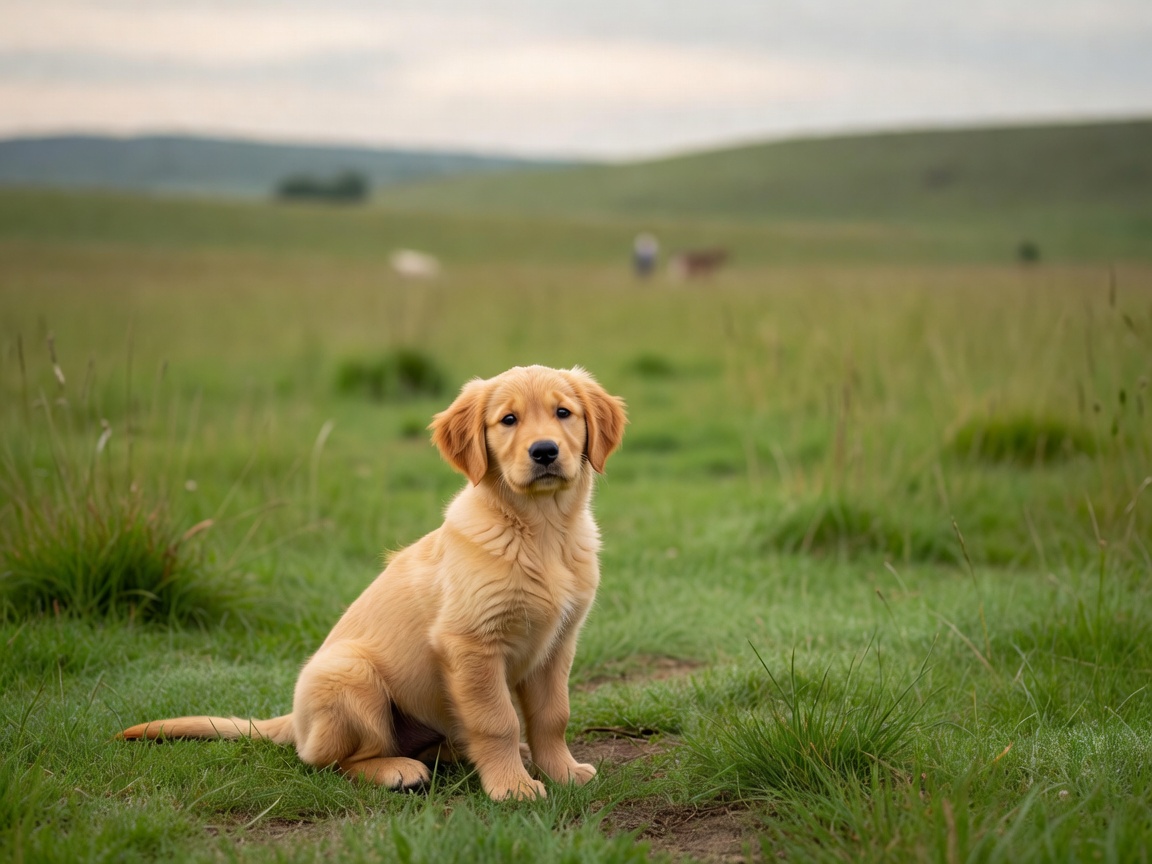
The canine brain undergoes extraordinary synaptic blooming during the first three to four months of life. Contrary to widespread misconception, socialization is not merely letting a puppy run frantically with dozens of strange dogs in an overcrowded dog park. Real socialization is the cultivation of neutral optimism toward environmental stimuli.
Neutrality vs. Overstimulation
When a puppy is allowed to frantically greet every human and dog on the sidewalk, the nervous system conditions a state of heightened arousal whenever another creature appears. If greeted on a leash, this frequently morphs into barrier frustration and adolescent reactivity. Instead, expose your puppy to novel sights—umbrellas, construction cones, wheelchairs, sirens—at a distance where they can watch, chew a high-value treat, and decide that the world is inherently safe.
The Rule of 7s: Before 12 weeks, expose your puppy to 7 different surface textures (grass, gravel, tile, metal grates, mulch, wood, rubber), 7 different containers, and 7 friendly strangers of varying ages and attire, always at the puppy's comfortable pace.
2. Deconstructing Leash Reactivity & The Arousal Curve
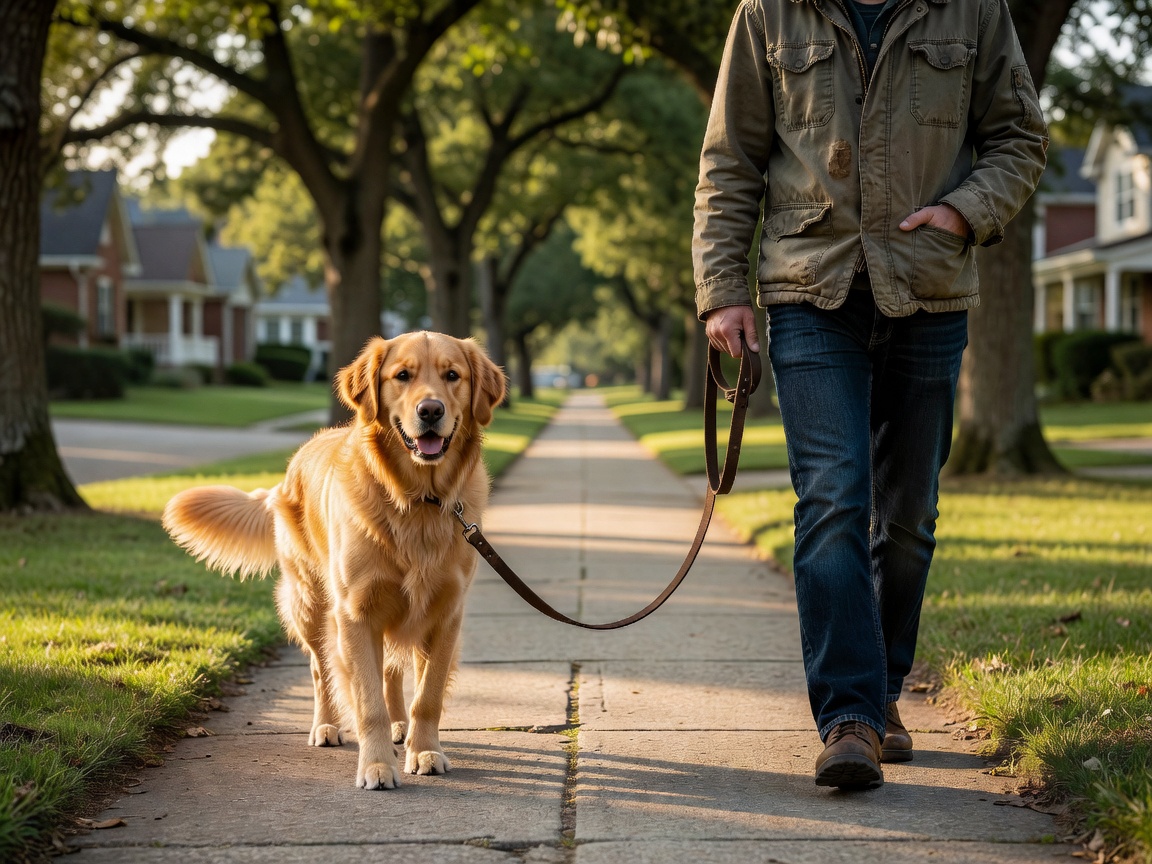
Reactivity on lead is almost never rooted in "dominance" or malice. In more than 90% of certified veterinary behaviorist consults, leash reactivity is motivated by fear, anxiety, or acute barrier frustration. When a dog is tethered to a six-foot lead, their natural instinctual flight response is physically blocked.
Understanding The Sub-Threshold Zone
Every dog has a physical radius—often 50 feet, 30 feet, or 10 feet—within which an oncoming trigger causes their sympathetic nervous system to release adrenaline and cortisol. Once the dog begins lunging, barking, or trembling, their prefrontal cortex has gone offline. Learning cannot occur in this state.
Effective behavior modification occurs strictly in the sub-threshold zone. Using Counterconditioning and Desensitization (CC/DS) protocols, such as Leslie McDevitt's Pattern Games ("1-2-3 Walk" or "Look at That"), the handler marks and rewards the dog's calm glance at the trigger before arousal escalates, gradually closing the threshold distance over weeks of low-stress repetitions.
3. Species-Appropriate Canine Enrichment
A tired dog is not necessarily a fulfilled dog. Forcing an energetic working breed to run endlessly after a tennis ball simply builds an elite athletic canine with sky-high cortisol and adrenaline spikes. True equilibrium requires activating the olfactory system and predatory motor pattern in non-destructive ways.
The Power of Sniffaris and Decompression Walks
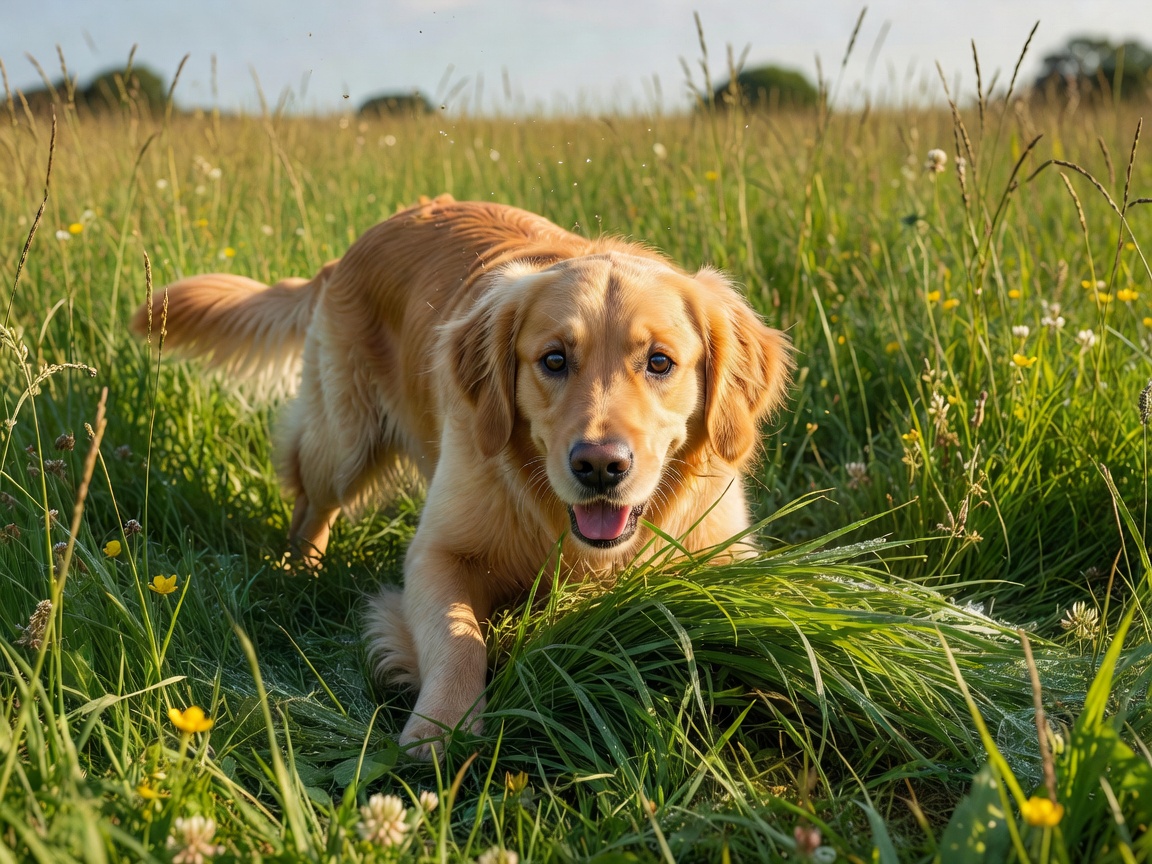
A dog's olfactory cortex is approximately 40 times larger than that of a human. Twenty minutes of unstructured decompression walking on a 15-foot long line through open fields or wooded areas, where the dog chooses every scent trail, lowers heart rate and blood pressure substantially more than thirty minutes of structured road heelwork.
In the home, ditch the standard food bowl. Distribute meals via snuffle mats, frozen stuffed rubber kongs, cardboard destruction boxes, and scattered grass foraging. Fulfilling the natural urge to dissect and search dramatically decreases nuisance barking, pacing, and destructive indoor chewing.